Professional portraits Person One photo ChatGPT Image Mode: Image edit / transform with uploaded photo
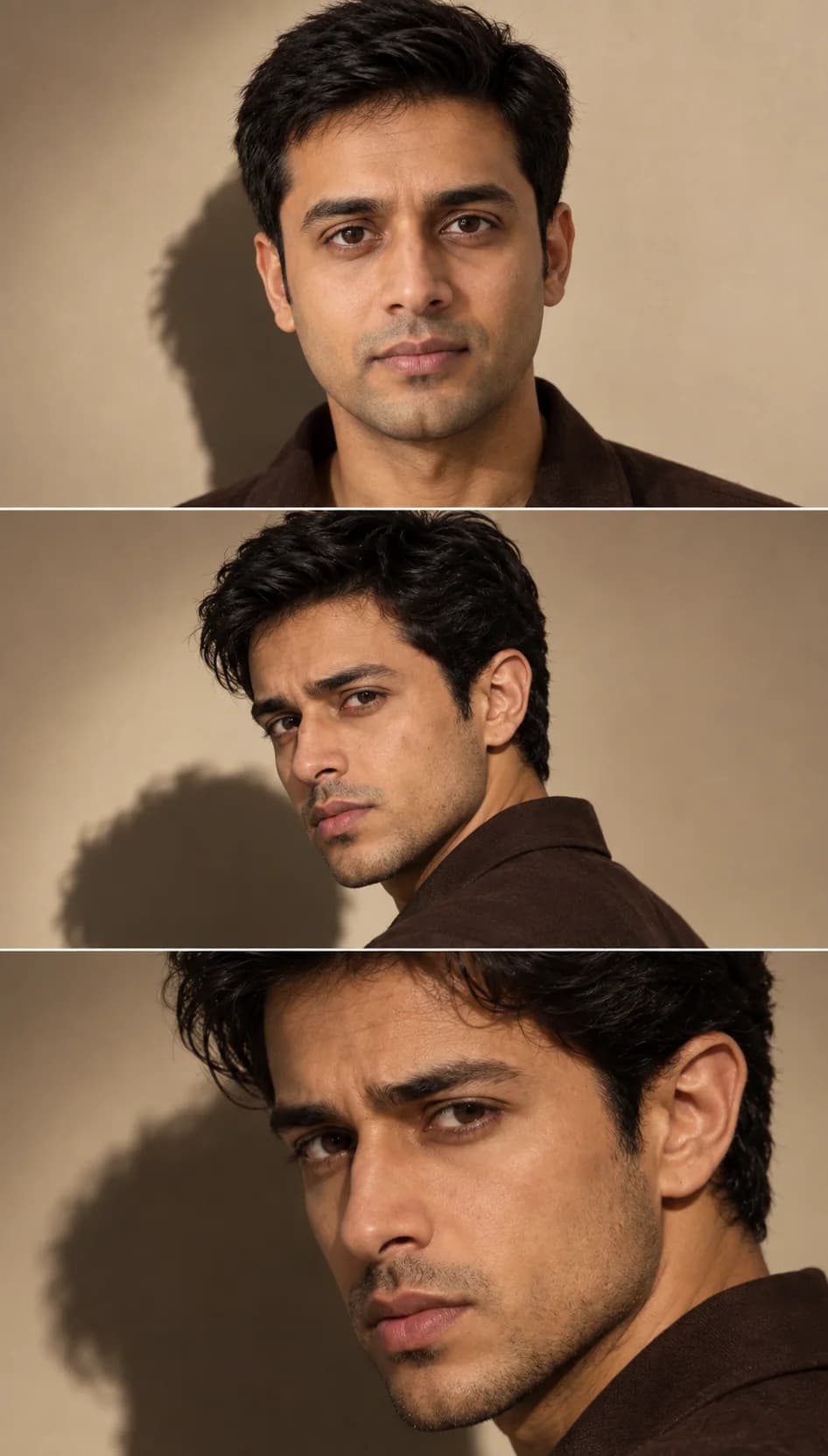
Amber Light Triptych Fashion AI Photo Prompt Triptych AI photo editing prompt for fashion: three amber wall-light panels from one photo, moody and editorial. Copy-paste free for Gemini.
Best for Amber light triptych fashion professional profile photos
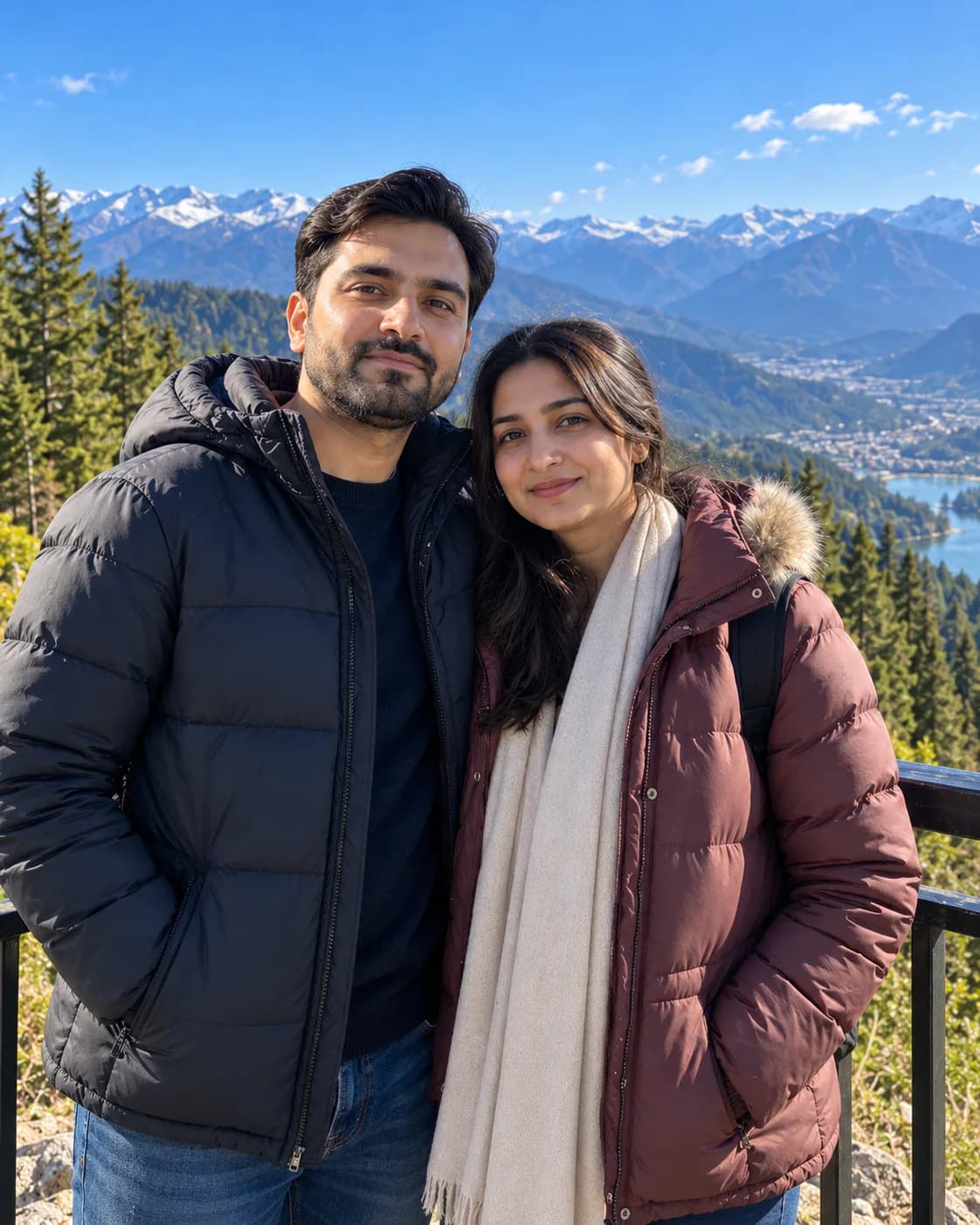
Works with one clear portrait with a visible face
Inputs: source photo (1) · Verified 2026-09-23 · Prompt v1.0.0
Best source photo ✓ One visible face
✓ Good lighting on skin
✓ Face not heavily obscured
✓ Original image should not be blurry
What changes
Multi-panel layout Stacks three horizontal close-up panels of the same subject vertically.
Lighting Hits the face with hard directional sun that casts bold head shadows.
Outfit Puts them in a dark chocolate collared shirt with a relaxed open neckline.
Color mood Grades warm amber-brown skin highlights against deep chocolate shadows.
What should stay recognizable ✓ Face and identity
✓ Facial features
✓ Natural skin texture
✓ Likeness
AI tools can still change small details. Review the final result before using it professionally.
Limitations Outfit and pose change by design when toggles are off Fine jewellery or collage detail may vary between runs Three stacked amber fashion panels on a warm beige wall: hard side sun, sharp head-and-shoulder cast shadows, and close editorial poses from one photo.
Tips for this look Chest-up sharpness matters; each panel needs clear eyes under strong directional light. Ask for a matte warm beige wall with bold cast shadows of head and shoulders if the backdrop goes busy. If identity drifts between panels, request the same face, wet-textured hair, and dark collared shirt in all three. Keep pose off so the frontal, over-shoulder, and tight close-up stack can form. Want a quieter amber contact sheet? Add: keep the three horizontal panels, beige wall, and sharp cast shadows, but soften chocolate contrast slightly and calm the gaze—no scrapbook tape or colourful props.
FAQs Must my photo already show hard shadows? + No. A clear portrait is enough; the directional sun and cast wall shadows build with the triptych.
Why do the three faces look different? + Ask for identical identity, hairstyle, and skin tone across all panels with the same light direction.
Is this the bouquet triptych? + No—bouquet triptych is romantic flower storytelling. This is amber wall-light fashion with cast shadows.
Can I keep my beard? + Yes. Hairstyle and facial hair stay; only wardrobe, light, and panel layout change unless you lock clothing.
Customize this prompt Adjust the details, then copy the prompt to ChatGPT Image.
Color mood Amber editorial Warm editorial Warm neutral Black and white Romantic editorial Luxury monochrome Clean daylight Elegant neutral Soft monochrome Bright neutral Amber editorial Background Beige shadow wall Window studio Cream wall Mottled studio Dark rim studio Blurred interior Sunlit doorway Off-white studio Keep original Beige shadow wall Output ratio 4:5 Portrait 1:1 Square 9:16 Story 4:5 Portrait Keep clothing from original photo
Keep original pose
Transform the uploaded person into a cinematic three-panel editorial portrait collage while preserving the subject’s recognizable identity, facial structure, natural skin texture, hair characteristics, and defining facial features. Follow the selected preservation requirements exactly: recognizable identity, proportions, defining features, and expression.
Create one cohesive portrait composed of three horizontal photographic panels stacked vertically. Each panel should show the same subject in a different close-up pose while maintaining identical identity, hairstyle, wardrobe, lighting direction, and overall photographic treatment.
If clothing is not preserved, replace the original outfit with a dark chocolate-brown or near-black collared shirt or lightweight jacket with a relaxed open neckline. Keep the styling minimal, masculine, understated, and editorial. Add subtle accessories such as a small hoop earring and a thin chain necklace only if they support the look.
If pose is not preserved, create three complementary portrait variations:
Top panel: show a close frontal or slightly three-quarter head-and-shoulders portrait with the subject facing mostly toward the camera. Keep the expression serious, calm, and slightly intense, with relaxed lips and direct or nearly direct eye contact.
Middle panel: turn the upper body and head more strongly to one side, creating an over-the-shoulder or strong three-quarter profile. Direct the eyes back toward the camera or slightly past it. Keep the jawline pronounced and the expression composed and self-assured.
Bottom panel: create the tightest close-up, cropping closer around the face and shoulders. Let a few strands of hair fall across the forehead or near one eye, and use an intense sideways gaze or direct stare to produce a more dramatic editorial mood.
Style the hair with slightly wet, tousled, textured movement. Preserve the subject’s natural hair color and overall structure while allowing loose strands and subtle volume around the forehead. If facial hair is present, keep it natural and consistent rather than removing or exaggerating it.
Apply warm cinematic amber-brown editorial with rich skin highlights, deep chocolate shadows, muted earth tones, and subtle film grain color grading consistently across all three panels. Use warm amber-brown skin highlights, muted earthy tones, deep chocolate clothing, rich soft shadows, and strong but controlled cinematic contrast. Preserve realistic pores, facial hair, lip texture, eyebrow detail, and individual hair strands. Avoid excessive smoothing or artificial beauty-filter effects.
Create minimal matte warm beige wall with strong directional sunlight and sharply defined head-and-shoulder cast shadows. Use a simple matte beige, tan, or warm taupe wall behind the subject. Keep the background minimal and uncluttered so the face and shadow patterns remain dominant.
Use strong direct sunlight or hard directional studio light coming from one side of the frame. Allow the light to strike the subject’s face and hair while creating a bold, clearly defined cast shadow of the head and shoulders on the wall behind. The cast shadow should be an important visual element in all three panels.
Keep the illuminated areas warm and dimensional while preserving enough detail in the shadowed side of the face. Use realistic highlights along the cheekbones, brow, nose bridge, lips, jawline, and hair. Avoid flat studio lighting.
Maintain the same lighting direction and wall color in all three frames so the collage feels like one continuous editorial photo session.
Use shallow depth of field and a premium portrait-photography aesthetic. Keep the eyes, face, hair, and nearby clothing details crisp while the plain wall remains softly rendered. Add very subtle analog film grain and gentle tonal softness for a polished but slightly vintage finish.
Separate the three horizontal photographs with extremely thin, subtle divider lines or clean edge transitions. Do not add decorative graphic frames, text, captions, or scrapbook elements.
The final composition should feel masculine, warm, minimal, intense, sophisticated, and cinematic, similar to a high-fashion portrait contact sheet or editorial campaign.
Do not add text, logos, watermarks, social-media interface elements, gallery icons, extra people, mismatched identities between panels, duplicated facial features, malformed ears, distorted jewelry, extra limbs, or unrealistic facial anatomy.
Compose and crop the complete three-panel collage specifically for 4:5 Portrait, keeping all three faces, hairstyles, shoulders, and important cast shadows comfortably visible within the canvas.
Use this prompt Open ChatGPT Image in Image edit / transform with uploaded photo Upload source photo Paste this prompt Generate and check your result Why does this use an external tool?